

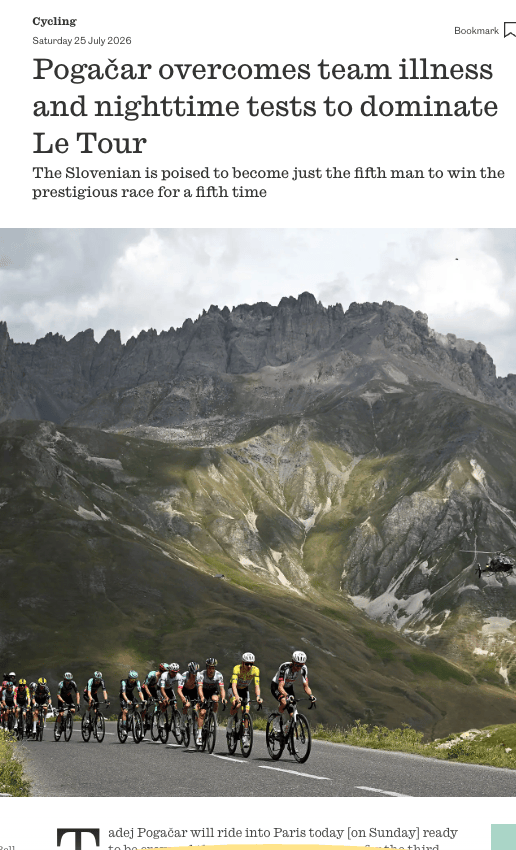
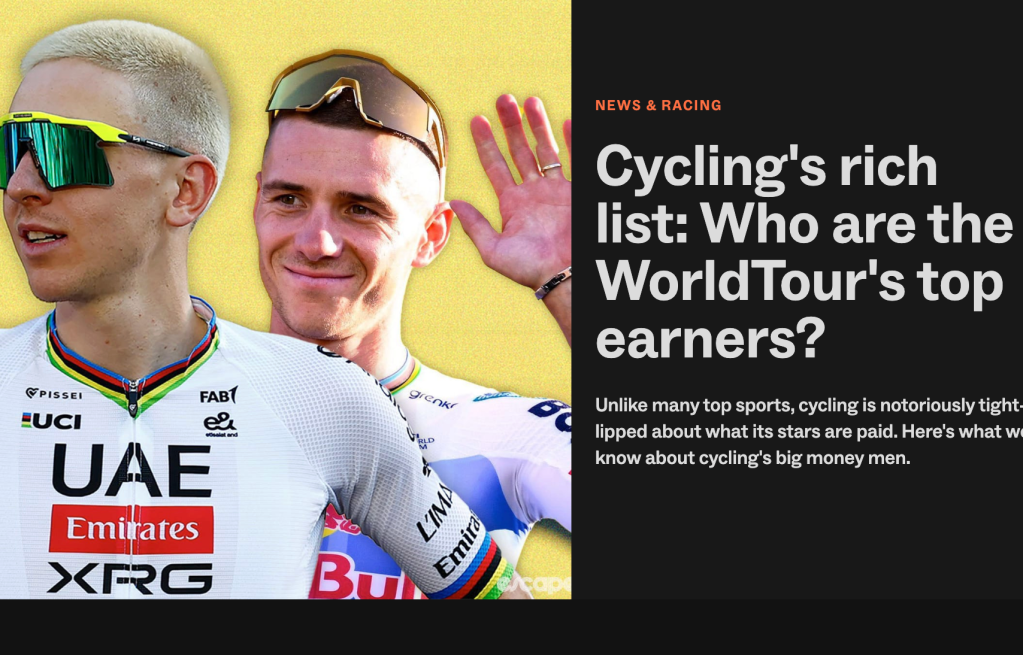
At the end of Paris-Roubaix, as Tadej Pogačar was escorted from the velodrome by his entourage, his agent Alex Carera briefly walked away from the superstar to shake hands with a longtime team manager who was standing nearby. That boss then turned to Cyclingnews and said: “There are very few people who are making as much money from cycling as Alex is.” There’s no way to verify that statement, but it’s almost certainly true.
Agents have had an increasingly powerful role within professional cycling since the turn of the century, but in recent years their influence – and personal wealth – has skyrocketed. According to the UCI’s latest figures, there are 103 registered agents worldwide in 2025, but out of the 1,322 male and female professional cyclists, an estimated 576 riders – a whopping 43.5% – are managed by one of the 13 agencies who have at least 30 riders. That’s a lot of contracts and futures controlled in the hands of a small number of people.
As the biggest agents get richer and more powerful, teams are becoming more reliant on them in determining transfer policy and future direction, while the smaller and individual agents are being pushed aside. Cycling has truly entered the era of the super-agents.
This article was published by Cyclingnews in April 2025. You can read the full article here.

 CMB reports